Quiet luxury handbags
Quiet luxury handbags: describe the style, check the evidence
Quiet luxury describes a styling preference, not a material grade, certification or promise of durability. Build a brief around the proportions, colour relationships and amount of visible hardware you prefer, then assess exact Taobao or 1688 options on separate evidence. This guide has no fixed budget ceiling; use the linked budget guide if you need a strict delivered-cost limit.
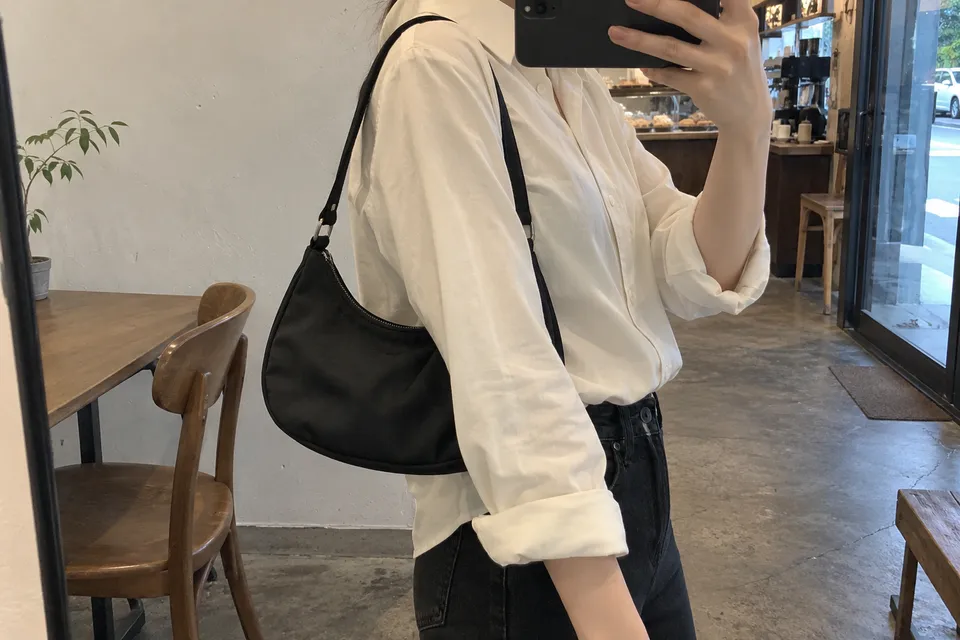
Write a visual hierarchy
Choose the silhouette, colour relationship and hardware restraint that matter to your own wardrobe.
Keep claims separate
A smooth surface, neutral colour or understated outline does not authenticate leather or construction quality.
Request an independent option
Describe general features without requesting another brand's logo, monogram or counterfeit presentation.
Turn an understated look into a specific brief
Rank your visual preferences so a seller or sourcing desk can compare options without relying on vague luxury labels.
Define proportion and intended use
Choose a general shape such as a soft shoulder bag, compact crossbody, tote or top-handle bag. State the intended contents and carrying position, then describe your preferred width-to-height balance and amount of structure. Treat a reference image as a direction for discussion; usable measurements and sample access still need confirmation for the selected option.
Specify colour and hardware relationships
Describe whether you want tonal, contrasting, glossy or muted details and which colours must work together. Request consistent front, side and close-up views in ordinary lighting. Seller lighting and screens can change perceived colour; record any sample or colour-reference approval separately rather than promising an exact match from a thumbnail.
Set an unbranded request boundary
Send general preferences rather than instructions to copy a brand's logo, monogram, packaging or distinctive identifiers. 1688 Bags rejects counterfeit and trademark-infringing requests; brand-confusing references require manual review before approval. Removing a logo alone does not establish that a design is clear for sourcing, and this style guide does not provide such clearance.
Review appearance and product evidence separately
Use one column for the look you prefer and another for what is actually supported. A stylistic match does not answer a material or performance question.
Record component claims with their scope
Ask for the seller's description of the body, coating, trim, handles and lining separately. Record whether each claim is seller stated, sample observed, documented or independently tested, and which exact variant it covers. Grain, gloss and a leather label alone do not authenticate composition or predict wear life.
Agree visible finish acceptance
Request the same views of seams, edge paint, lining, hardware alignment and closure operation for each candidate. Define which visible differences would prompt a hold or revision. Photos may support an appearance decision within that scope; they do not prove long-term coating adhesion, scratch resistance, hardware strength or premium quality.
Separate the style decision from budget approval
Shortlist only options that meet the visual brief and required function, then review the exact variant's cost and packing assumptions. Do not infer a price tier from the style label. If your ceiling is fixed, move to the budget guide and estimator; keep unquoted fees and unsupported features visible before approving a purchase.
Separate item price from delivered cost
Use the same quantity, destination and packing assumptions. Keep each amount confirmed, estimated or pending; a partial subtotal is not the delivered total.
Goods and buying services
Record the selected variant’s quantity price, China domestic freight, buying-service fee and agreed QC or repacking charges. Confirm which services and materials each fee includes.
Protection and international freight
Agree the packing plan before reviewing final carton dimensions, gross weight and quantity per carton. Use the selected route’s charging method; a smaller bag does not establish a lower freight charge.
Destination and payment
Confirm duties, taxes, import handling, delivery coverage and currency or payment charges for the actual destination and service. Leave unquoted amounts pending rather than treating them as zero.
Questions before you buy
Does quiet luxury mean genuine leather or higher quality?
No. It is a description of styling preferences such as restrained hardware, colour and proportion. Request separate component descriptions and supporting evidence for the exact variant. Appearance alone does not establish composition, construction quality or durability.
Can I use a designer image as my quiet-luxury sourcing brief?
Describe the general shape, colour and functional features you want without asking for logos, monograms, branded packaging or counterfeit presentation. 1688 Bags rejects counterfeit and trademark-infringing requests and manually reviews brand-confusing references. A removed logo is not sourcing clearance.
Is this guide limited to handbags under US$100?
No. This page defines the style and evidence brief without a fixed ceiling. Use the quiet-luxury bags under US$100 guide when that amount is your limit, and state whether it applies to the item price or the complete delivered budget. Unquoted costs remain pending.
Continue with a useful guide
Follow the measurements, materials and cost assumptions that matter for your selected bag.
Quiet Luxury Bags Under US$100
Apply a fixed ceiling while keeping the visual brief, material evidence and delivered-cost assumptions separate.
Structured Top-Handle Decisions
Compare geometry, usable access and shape-protection requirements when structure is part of your brief.
A Practical Handbag Selection Method
Connect your style preferences to required contents, carry needs and complete cost assumptions.
Material Claims by Component
Separate visible texture and seller wording from the evidence needed to assess composition.
QC Photos and Measurements
Agree consistent views, measurement methods and visible acceptance rules before inspection.