canvas bags
Canvas bags: shape, fabric and cost
Canvas bags include totes, shoulder bags, pouches, backpacks, and daily utility styles. The sourcing decision should separate material quality, construction, seller consistency, and landed cost.
Who it helps
- Small retailers testing canvas bag assortments across totes, pouches, and casual carry.
- Buyers comparing natural canvas, colored canvas, washed canvas, and mixed-material listings.
- Teams that need an agent to screen marketplace sellers before placing a test order.
What to send
Canvas bag type, size, material weight clues, color, and target use.
What to verify
Canvas thickness and hand feel are often unclear from seller photos.
Compare canvas shapes, component materials and print terms
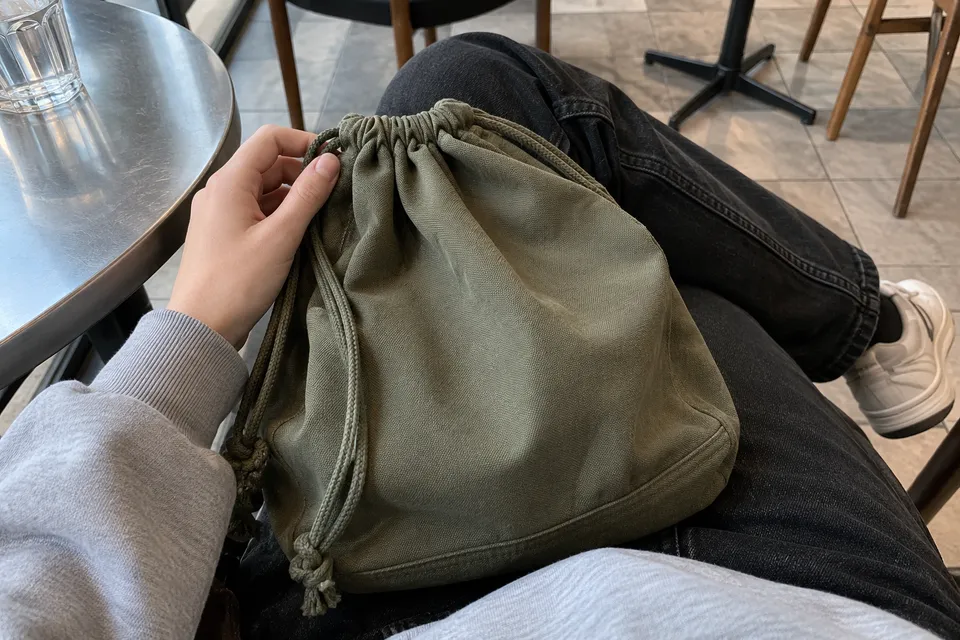
Canvas bags span pouches, drawstring bags, backpacks and shoulder styles as well as totes. Choose the carry format first, then compare the selected SKU’s component evidence instead of treating every canvas listing as the same product.
| Compare | Evidence to request | If it is unresolved |
|---|---|---|
| Shape, closure and usable space | State whether you need a pouch, drawstring bag, backpack or shoulder bag, plus the items it must hold. Request usable opening and interior dimensions, closure details and the relevant strap or handle measurements. | A pouch opening, gathered drawstring top and backpack compartment can limit fit differently. Use the dedicated canvas-tote guide for tote-specific handle and gusset checks; do not assume one shape’s capacity applies to another. |
| Body, lining, trim and coating | Request composition separately for the body, lining, straps and trim. Ask whether a surface coating is present, where it is applied and what written material evidence is supplied for the selected variant. | The word canvas does not identify fibre composition, recycled content or environmental benefits. Appearance does not prove material composition or water performance; retain unsupported claims as unverified. |
| Fabric weight and comparison basis | Request fabric weight with its unit and basis, such as grams per square metre, and identify which component was measured. Clarify the basis of any ounce figure before comparing fabrics. | Fabric weight is not the empty bag weight. A close-up or heavy-looking fabric does not establish strength, abrasion resistance or a verified specification; record an unclear unit as unknown. |
| Print method, SKU and minimum quantity | List the shape, size, colour and print artwork on each SKU line. Ask for the print method, approved placement, quantity tier and minimum quantity for each variant and for any custom-print setup separately. | Combined quantities do not automatically meet each seller’s or print variant’s minimum. Keep print approval, substitution terms and unsupported colour or wash-durability claims pending until agreed. |
A brief the sourcing desk can review
Save the exact listing and variant with the evidence and questions below. Agree the scope before purchase or inspection.
Canvas bag type, size, material weight clues, color, and target use.
Reference listing, quantity, destination, deadline, and target landed cost.
Any logo, tag, packing, or photo-inspection requirement.
Whether the bag is a sample, resale item, event item, or broader assortment test.
Separate item price from delivered cost
Use the same quantity, destination and packing assumptions. Keep each amount confirmed, estimated or pending; a partial subtotal is not the delivered total.
Goods and buying services
Record the selected variant’s quantity price, China domestic freight, buying-service fee and agreed QC or repacking charges. Confirm which services and materials each fee includes.
Protection and international freight
Agree the packing plan before reviewing final carton dimensions, gross weight and quantity per carton. Use the selected route’s charging method; a smaller bag does not establish a lower freight charge.
Destination and payment
Confirm duties, taxes, import handling, delivery coverage and currency or payment charges for the actual destination and service. Leave unquoted amounts pending rather than treating them as zero.
Choose your next step
Marketplace sourcing, browsing and custom production serve different requests.
Questions before you buy
What types of canvas bags can be sourced through 1688 Bags?
Common routes include canvas totes, shoulder bags, pouches, casual backpacks, drawstring bags, and mixed-material canvas styles.
How do I compare canvas bag quality?
Choose the shape first, then request component composition, any coating, fabric weight with its unit and basis, usable dimensions, stitching and closure evidence for the selected SKU. Compare print and minimum-quantity terms separately. Canvas alone does not establish environmental benefits or water performance.
Are canvas bags better through marketplace sourcing or OEM production?
Consider marketplace sourcing when an existing SKU meets your brief and its seller confirms the quantity and variant terms. Consider a factory OEM review when you require a new shape, custom dimensions or specified materials; confirm sampling, minimums and lead time rather than assuming either route is faster.
Continue with a useful guide
Follow the measurements, materials and cost assumptions that matter for your selected bag.
Canvas Bag Listings
Browse canvas-labelled candidates; verify each selected item’s composition, dimensions and seller terms before purchase.
Canvas Tote Bags
Canvas tote seller checks, fabric review, print-risk screening, QC photos, and landed-cost planning.
Bag Material Evidence
Separate body, trim, lining and coating labels from the evidence needed to confirm a seller’s material claims.
MOQ and Mixed Bag Orders
Confirm quantity minimums for each seller, style and colour before combining a small order.
QC Photos and Measurements
Agree unit coverage, photo identifiers, measurement methods and acceptance rules before inspection.
Packing Options for Small Orders
Compare folding, shape protection, dust bags and boxes against the bag’s needs and measured packed volume.
Carton Volume and Chargeable Weight
Use measured packed dimensions, gross weight and the quoted route’s divisor to review the shipping weight basis.